
(STAY POSTED FOR THE UPCOMING 2027 SCIENTIFIC SESSION)
Academy of Operative Dentistry Scientific Session 2027
Thursday, February 25th
8:00-9:30am
"The restorative Mindset - Interdisciplinary Treatment planning around teeth and implants"
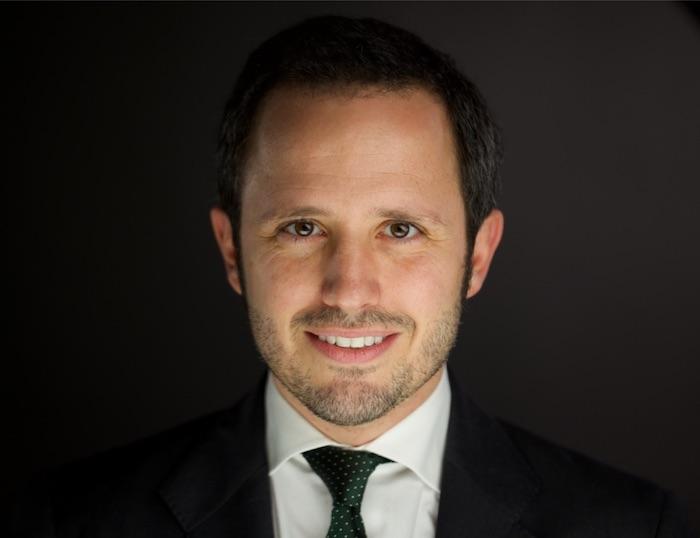
ALVARO BLASI DDS, CDT, PhD
Private Practice Spain and Adjunct Professor at Augusta University Dental College of Georgia
Description: This lecture explores a restorative- driven approach to complex treatment planning, focusing on the clinical decision-making process when dealing with teeth and implants. Through detailed step-by-step clinical cases, it will presented diagnostic workflows, prognosis evaluation, and treatment options that balance biological, mechanical, and aesthetic considerations. The session will also cover modern materials, occlusal design, long-term maintenance strategies, and the role of digital technologies in enhancing diagnosis, planning, and execution of treatment.
Learning Objectives:
- Apply a restorative-driven, interdisciplinary approach to treatment planning for patients with teeth and implants, integrating diagnostic workflows, risk assessment, and prognosis evaluation.
- Formulate and justify comprehensive treatment plans by balancing biological, mechanical, and esthetic considerations, including decisions to preserve teeth versus replace with implants.
- Incorporate contemporary clinical strategies including occlusal design, material selection, digital workflows, and maintenance protocols to optimize long-term outcomes of tooth- and implant-supported restorations.
Bio: Dr. Alvaro Blasi, DDS, CDT, is an American Board-Certified Prosthodontist and a Certified Dental Technician. He graduated from a 3-year certified prosthodontics program at Augusta University, Dental College of Georgia, where Dr Gerard Chiche was the director. He was selected for a 1-year Esthetic and Implant Fellowship at the Goldstein Center at Augusta University. He received his dental degree from the International University of Catalonia in Barcelona, Spain. He is an Adjunct Assistant Professor at Augusta University Dental College of Georgia in the Oral Rehabilitation Department and Faculty at the International University of Catalonia (UIC) in Barcelona, Spain. He is editor in chief of Quintessence Tecnica Dental journal. He has published several articles in international journals on topics of interdisciplinary treatments, esthetics and implants. Lectures at a national and international level in the field of Prosthodontics. His main areas of interest are perio-ortho-pros treatments, esthetics and occlusion and implant restorations. He maintains a private practice in Barcelona Spain, at Blasi Clinic.
9:30 - 10:00am
Break
10:00-11:00am
“A Rocky Relationship: Dentin & Restoration, and the Struggle to Stay Together”
CRISTINA VIDAL, DDS, PhD
The University of Iowa, College of Dentistry, Department of Operative Dentistry
Description: Dental caries progression has traditionally been viewed as a biofilm‑driven process in which acid production leads to mineral dissolution and structural breakdown of dental tissues. However, emerging evidence indicates that caries is not solely a microbial process but rather a complex host–microbiome‑driven disease. This presentation will highlight how host mechanisms contribute to tissue breakdown and lesion advancement and explore how shifts in the oral microbiome influence host responses within the dentin–pulp complex during caries progression. Particular emphasis will be placed on host‑derived proteases, such as matrix metalloproteinases (MMPs), and immune‑associated molecules that contribute not only to dentin matrix degradation but also to reparative processes, including tertiary dentin formation and tissue remodeling. By integrating microbial activity with host immune and proteolytic responses, this host‑centered framework provides a more comprehensive understanding of caries pathogenesis.
Learning Objectives:
1) Describe the role of host–microbiome interactions in dental caries beyond traditional pH‑mediated mechanisms.
2) Identify key host pathways involved in caries progression, including matrix metalloproteinase (MMP)–mediated dentin degradation and remodeling.
3) Recognize the clinical implications of a host‑centered approach for developing biologically driven strategies in caries management to preserve pulp vitality and enhance tissue repair.
Bio: Dr. Cristina Vidal is a clinician, dental educator, and researcher at the University of Iowa College of Dentistry, where she is an Associate Professor. Dr. Vidal is dedicated to advancing dental education, mentoring students and residents, and fostering innovation within the department. She earned her DDS and MS in Operative Dentistry from São Paulo State University and a PhD in Dental Materials from the State University of Campinas, Brazil. Her research program focuses on host–microbiome interactions in caries progression and their influence on tissue degradation and repair. A central goal of her work is to develop biologically driven therapeutic strategies that preserve tooth structure and enhance the reparative capacity of the dentin–pulp complex. In addition to her research, Dr. Vidal is actively engaged in clinical teaching and patient care. She has authored over 50 peer‑reviewed publications and presented nationally and internationally.
11:00 - 12:00pm
"The Missing Link: How Academia, Research, and Practice Propel Dentistry Forward"
MARCELO W.B. ARAUJO, DDS, MS, PHD
Dean, University at Buffalo School of Dental Medicine
Description: This presentation outlines the impact of scientific advancements on dental education and practice. Dr. Araujo describes how research transforms clinical practice, public health policy, and healthcare policy. The lecture emphasizes the importance of evidence-based education in improving patient outcomes and integrating new scientific knowledge into dental care.
Learning Objectives:
1) Examine the current state and scientific underpinnings of dental adhesive technology,
2) Critically explore the mechanisms underlying bond degradation, and
3) Highlight emerging scientific trends that will shape the next generation of bioactive and durable adhesives.
Bio: Marcelo Araujo, DDS, MS, PhD, dean and professor of the University at Buffalo School of Dental Medicine, is a distinguished academic leader, professor of periodontology, clinical researcher and epidemiologist.
For more than two decades, Dr. Araujo’s career in the dental field has involved leadership positions at top nonprofit dental organizations and within the pharmaceutical industry, where he made a significant impact in health care products research. He has made substantial contributions to oral care and multiple therapeutic areas, including cardiology, respiratory diseases, nutrition, women’s health and wound care. Dr. Araujo’s extensive experience in research, health care business and health sciences has cultivated a broad perspective on the dental profession and a deep understanding of its opportunities and challenges. As the dean of the UB School of Dental Medicine, Dr. Araujo is steering the school into a new era of excellence and innovation. Under his leadership, the school has launched a bold strategic plan to shape the future of oral health through research, education and clinical care.
Dr. Araujo’s current research and clinical trials include a study to assess the use of antibiotics to treat periodontal disease, supported by the National Institutes of Health. He continues to explore the connection between oral and systemic conditions, including the search for new safe biomaterials through AI and its implications for public health.
Dr. Araujo earned a PhD in epidemiology and community health and a master’s degree in oral sciences from the University at Buffalo, where he also completed a fellowship in periodontology clinical research and teaching. He received his DDS in 1995 and a certificate in periodontology in 1997 from Universidade Gama Filho in Rio de Janeiro, Brazil.
12:00 - 1:40pm
Lunch
1:40 - 3:00pm
“Potpourri of Anterior Direct Resin Composite Techniques: Overview and Demo"
BOB MARGEAS, DDS
Private Practitioner Iowa and Adjunct Professor Operative Department University of Iowa
Description: This dynamic and technique-focused program provides a comprehensive overview and live demonstration of contemporary direct resin composite procedures for anterior and posterior applications. Emphasizing practical, minimally invasive approaches, highlighting practical and predictable methods to enhance esthetics and function using direct restorative materials. This lecture/demo will explore the use of the BioClear technique for managing black triangles and diastema closures, along with efficient strategies for shaping and contouring anterior restorations. The program will also introduce injection molding techniques for anterior and posterior composites. Dr. Margeas will present key principles for achieving natural-looking composite veneers, including characterization and contouring concepts guided by the “Checklist Manifesto” developed by Drs. Vargas and Margeas. Clinically applicable tips and tricks that can be immediately integrated into daily practice to improve outcomes, efficiency, and patient satisfaction will be presented.
Learning objectives:
- Apply direct resin composite techniques for anterior esthetic cases, including peg lateral correction and diastema closure using the BioClear method.
- Utilize injection molding and cutback techniques to enhance contour, anatomy, and esthetics in posterior and anterior composite restorations.
- Incorporate principles of composite characterization and contouring to achieve predictable, natural-looking restorative outcomes.
Bio: Dr. Margeas graduated from the University of Iowa College of Dentistry in 1986 and completed his AEGD residency the following year. He is currently an adjunct professor in the Department of Operative Dentistry at the University of Iowa. He is Board Certified by the American Board of Operative Dentistry. He is a Diplomate of the American Board of Aesthetic Dentistry, a Fellow of the Academy of General Dentistry, American Society for Dental Aesthetics, and International Team of Oral Implantologists (ITI). He has written numerous articles on esthetic and implant dentistry, and lectures and presents hands-on courses nationally and internationally on those subjects. He is currently the Editor in Chief of Inside Dentistry, on the Editorial Board of Compendium, and is a contributing editor to Oral Health in Canada. His memberships include the OKU Honor Dental Society, American Academy of Esthetic Dentistry, and the American Academy of Restorative Dentistry. Dr. Margeas maintains a full-time private practice focusing on comprehensive restorative and implant dentistry in Des Moines, Iowa.
3:00 – 4:00 pm
“A New Era in Operative Dentistry with AI”
MARGARET SCARLETT
President and CEO of Scarlett Consulting International
Description: Diagnostic safety is the new paradigm for operative dentistry in today's world. Artificial Intelligence (AI) with diagnostic detection software ensures that clinicians can ensure more reliable and valid diagnoses of caries. Advancing science for secondary prevention of caries will be addressed, along with the criteria for evaluating this rapidly expanding use cases for AI in dentistry for operative dentistry.
Learning Objectives:
- To describe the use of Artificial Intelligence software as a Diagnostic Detection Device;
- To understand the differences between various types of Artificial Intelligence in Dentistry, evaluating advantages and disadvantages
- To review advancing science on diagnostic safety, as well as new scientific advances for secondary prevention of caries for operative dentistry.
Bio: Dr. Margaret Scarlett is a futurist and digital thought leader in oral-systemic health. As a policy expert on governance and ethics of the use dental software and interoperability, Dr. Scarlett's expertise extends to contributions to advancing digital transformation of dentistry, including the ADA white paper on Artificial Intelligence (AI) and Augmented Intelligence (AuI). A published author, Dr. Scarlett has held various positions in dental academics, including as Director of Research and Department Chair. She continues to be inspired by her initial clinical assignments supervising oral and systemic health in three clinics with the Gullah island communities y isolated of Charleston, SC, while at the Medical University of South Carolina College of Dental Medicine
4:00 – 5:00 pm
“The Onlay: What Over 100 Years of Progress Has Taught Us"
Richard V. Tucker Lecture of Excellence
CRISTINA LOPEZ, DMD
UCLA and Stevenson Dental Solutions
Description: The Richard V. Tucker Lecture of Excellence honors the legacy of precision, restraint, and enduring clinical principles that defined Dr. Tucker’s contributions to operative dentistry. This lecture examines the evolution of the onlay over the past 100 years, tracing how advances in materials—from cast gold and zinc phosphate to adhesive ceramics and modern zirconia—have shaped preparation design and clinical philosophy. Rather than focusing solely on materials, the presentation explores the onlay as a biomechanical and biologic concept centered on tooth preservation and cuspal protection. By reviewing historical successes, early esthetic failures, and the transformative impact of adhesive dentistry, the lecture highlights how preparation design has continually adapted to material science. Special emphasis is placed on the enduring principles that made cast gold onlays a benchmark for longevity and predictability. Ultimately, this lecture reflects on what modern restorative dentistry has gained—and what it must still learn—from the discipline and philosophy that shaped the classic onlay.
Learning Objectives:
- Describe the historical evolution of onlay restorations and the influence of restorative materials on preparation design and clinical outcomes over the past 100 years.
- Compare biomechanical principles of traditional cast gold onlays with modern adhesive ceramic and zirconia onlays, including differences in retention, resistance, and margin design.
- Identify key preparation design considerations for contemporary onlay restorations, including enamel preservation, cuspal protection, and the role of adhesive bonding.
- Evaluate the enduring clinical principles derived from cast gold onlay restorations and their relevance to modern restorative treatment planning.
Bio: Cristina D. Lopez, DMD is a clinician, educator, and restorative specialist whose work sits at the intersection of classical operative technique and contemporary clinical practice. She is a Faculty in the Section of Restorative Dentistry in UCLA, where she has taught since 2007 and has served as assistant to the chair in both the fixed prosthodontics and operative dentistry courses. She is also Faculty and Senior Dental Associate at Stevenson Dental Solutions.
A 1991 graduate of the University of the East in the Philippines and earned her US license in 2006. She has taught alongside Dr. Richard G. Stevenson III since 2008 — a partnership now in its second decade, lectures and presents table clinics across the United States and Asia on cast gold, ceramic veneers, and dental materials.
Her technical reputation is unusual in a way that clinicians recognize immediately: dentists and dental technicians seek her for their own restorative care. That referral pattern, from the people most qualified to judge the work, reflects the precision and longevity her restorations are known for.
Dr. Lopez is a member of the Academy of R. V. Tucker Cast Gold Study Clubs, the American Academy of Gold Foil Operators, and the Stevenson Clinical Study Club. Within the Academy of Operative Dentistry, she serves on the Executive Council and the Rising Star Committee — a role that reflects both her stature among peers and her commitment to mentoring the next generation of operative dentists.
She practices privately in Southern California where her patient base includes many of her professional colleagues.
Friday, February 26th
8:15 – 9:30am
“Clinical Protocols for Posterior Indirect Adhesive Restorations (PIAR): From Indications to Reliability of Partial Posterior Restorations“
Buonocore Lecture
Federico Ferraris, DDS
Private Practice, Italy
Description: What are the indications for performing cuspal coverage in posterior teeth with PIAR (Posterior Indirect Adhesive Restorations)? Are onlays better or worse than full crowns? This seminar will answer these questions and more.
An appropriate diagnosis has always represented the fundamental principle for formulating an effective treatment plan. This seminar will help participants understand the diagnostic steps and treatment modalities necessary to provide esthetic and functional adhesive restorations in posterior teeth.
Indications, cavity preparation designs, and clinical protocols for adhesive restorations have undergone significant changes over the past decade, and this seminar will update participants with the latest evidence-based techniques and concepts.
The seminar will cover the latest knowledge and clinical protocols to successfully integrate these restorations into daily practice. Indirect posterior restorations will be discussed in detail, including indications, preparation methods, build-up procedures, impression techniques, and adhesive cementation protocols.
Particular attention will also be dedicated to the scientific evidence regarding mechanical resistance, clinical performance, longevity, and follow-up of posterior indirect adhesive restorations compared with full crowns, in order to provide a more comprehensive and evidence-based approach to treatment planning.
Participants will gain practical information and clinical protocols that can be directly applied in daily practice to achieve predictable results.
Learning Objectives:
1. Diagnose and determine indications for cuspal coverage in posterior teeth, selecting appropriate designs of posterior indirect adhesive restorations (PIAR) versus full-coverage crowns based on risk assessment and remaining tooth structure.
2. Execute evidence-based clinical protocols for posterior indirect onlays, including preparation design, build-up procedures, impression techniques, and adhesive cementation to achieve predictable functional and esthetic outcomes.
3. Evaluate and compare the clinical performance and longevity of posterior indirect onlays versus full crowns and apply this evidence to optimize treatment planning in daily practice.
Bio: Dr. Federico Ferraris graduated from the Dental School of the University of Genoa in 1999. He is the founder of ADHESTHETICS and an international speaker at dental congresses and courses in more than 40 countries worldwide.
He is an Active Member of the following academies: EAED (European Academy of Esthetic Dentistry), AIC (Italian Academy of Conservative and Restorative Dentistry), IAED (Italian Academy of Esthetic Dentistry), and SCAD (Society for Color and Appearance in Dentistry). He is also a Member of AARD (American Academy of Restorative Dentistry) and IAAD (International Academy for Adhesive Dentistry).
Dr. Ferraris served as President of SCAD for the biennium 2022–2023 and President of AIC for the biennium 2023–2024. He has been a DSD (Digital Smile Design) Master since 2013.
He has been a member of the Editorial Board of the International Journal of Esthetic Dentistry (IJED) since 2010 and of the Journal of Esthetic and Restorative Dentistry (JERD) since 2021.
Dr. Ferraris is author of several scientific publications and runs a private practice in Alessandria, Italy, focusing on Operative Dentistry and Prosthodontics.
9:30 – 10:30am
“Stem Cells and Dental Tissue Regeneration: From Bench to Chairside”
James B. Summit Memorial Lecture of Innovation
JACQUES E. NÖR DDS, MS, PHD
Dean, University of Michigan School of Dentistry
Description: In this presentation we will discuss the function of stem cells in dental an oral tissue maintenance and regeneration. We will review ongoing efforts to regenerate dental tissues using both, biomimetic and inductive approaches. And we will discuss in more detail the journey from developing the concept for dental pulp tissue engineering to the results of clinical trials exploring the safety and efficacy of this novel approach for treatment of necrotic teeth.
Learning Objectives:
- To understand the function of stem cells in dental tissue regeneration
- To understand the state-of-the-science on biomimetic and inductive approaches for dental tissue regeneration
Bio: Jacques is the Donald Kerr Endowed Professor of Dentistry and has served as Dean of the University of Michigan School of Dentistry since 2023. He has a joint appointment as Professor of Otolaryngology at the University of Michigan Medical School and is an Affiliate Faculty of Biomedical Engineering. He is Past-President of the American Association for Dental, Oral and Craniofacial Research (AADOCR), and has served as member of the National Advisory Dental and Craniofacial Research Council (NADRC/NIH) and chair of the Oral, Dental and Craniofacial Sciences (ODCS) NIH study section. He also served as Chair of the Section on Dentistry & Oral Health Sciences of the American Association for the Advancement of Sciences (AAAS). Jacques has given more than 300 invited presentations, published +250 peer-reviewed papers and 15 book chapters, and is a contributor of the 2023 national report on Oral Health in America: Advances and Challenges. He is a Fellow of the American Association for Dental Research (AADR), Fellow of the AAAS and of the Pierre Fauchard Academy. Jacques is Associate Editor of the Journal of Dental Research and member of several editorial boards. His research interests are in the study of stem cells in the pathobiology of head and neck cancer and in dental tissue regeneration and his clinical interests are in Adhesive Dentistry
10:30 – 11:00 am
BREAK
11:00 –12:00 pm
“Optimizing Adhesive Luting Protocols for Ceramic Restorations"
PATRICIA PEREIRA, DDS, MS, PHD
Associate Dean for Academic Affairs
University of Florida College of Dentistry
Description: Optimizing adhesive luting protocols is essential to the long-term clinical success of ceramic restorations, as it directly impacts bond strength, durability, and resistance to functional aging. Evidence shows that factors such as surface treatments, material selection, preparation design, and luting techniques significantly influence clinical outcomes, with resin cements and luting protocols contributing to improved survival rates. In addition to restoration adaptation, proper bonding enhances marginal integrity, reduces failure rates, and supports esthetic longevity. However, challenges like technique sensitivity, hypersensitivity, and patient-specific variables require a case-by-case approach. A well-calibrated, evidence-based protocol remains critical to maximizing restoration performance in clinical practice.
Learning Objectives:
- Identify factors that influence bond strength and long-term success of ceramic restorations.
- Describe current adhesive luting protocols for different types of ceramic restorations.
- Apply evidence-based guidelines to optimize luting procedures in clinical practice.
Bio: Patricia Pereira earned her D.D.S. in 1993 from the University of the Planalto Central in Brazil, followed by a Ph.D. in 1998 and a post-doctoral fellowship in 2000 from Tokyo Medical and Dental University, Japan. From 2000 to 2006, she was an Assistant Professor at UNC-Chapel Hill, where she taught pre-dental and advanced education courses while conducting research. She returned to Brazil from 2006 to 2015 to raise her family, during which time she joined the University of Brasília as a professor and co-founded Dentaire Dental Clinic and Integrato Specialized Continuing Education. In 2015, Patricia joined the University of Florida College of Dentistry as a Clinical Associate Professor. She is now a Clinical Professor at UFCD, Graduate Program Co-Director in Operative and Esthetic Dentistry, and Associate Dean for Academic Affairs. She has over 120 publications and is a member of several professional associations.
Standby Clinician
“From Scan to Smile: Predictable Esthetic Ceramics with a Fully Digital Workflow”
Liz Griffis, DMD, MS
United States Navy, Navy Medical Center San Diego
Description: This course will explore the principles of smile design and provide a foundational framework for approaching esthetic dental cases. Attendees will gain an understanding of the interplay between facial esthetics, occlusion, and function, and how these elements contribute to predictable treatment outcomes. The integration of complete digital workflows to streamline and enhance esthetic restorative treatment will be highlighted throughout the course. Through clinical cases involving complex multidisciplinary surgical and restorative care, participants will follow the complete digital workflow—from intraoral scanning and digital design to material selection and final ceramic delivery. The lecture will also emphasize how digital dentistry has become a crucial component for efficiently educating dental residents, improving workflow comprehension, and enhancing both clinical and educational outcomes.
Learning Objectives:
- Describe the principles of smile design and explain the relationship between facial esthetics and digital wax up treatment planning.
- Identify the key components of a complete digital workflow, including intraoral scanning, digital design, provisional prototype, and ceramic manufacturing.
- Evaluate the application of digital workflows in complex multidisciplinary surgical and restorative cases and discuss their role in improving clinical efficiency and resident education
Bio: Dr. Elizabeth “Liz” Griffis is a Commander in the United States Navy and a Diplomate of the American Board of Operative Dentistry. She currently serves as Department Head of Hospital Dentistry at Naval Medical Center San Diego. Dr. Griffis earned her Doctor of Dental Medicine degree from the University of Florida and completed a Master’s degree program in Operative Dentistry at the University of North Carolina. Recognized as a subject matter expert in chairside digital dentistry, Dr. Griffis specializes in education and workflow optimization for CAD/CAM systems. Her clinical focus emphasizes predictable esthetic outcomes for patients requiring complex multidisciplinary surgical and restorative care through the integration of advanced digital workflows. She has made significant contributions to continuing education within the military dental community through her service as faculty for both Advanced Education in General Dentistry (AEGD) and General Practice Residency (GPR) programs, as well as through lectures delivered in more than 15 continuing education courses. Dr. Griffis was awarded the distinguished title of Associate Master Clinician at Naval Medical Center San Diego in recognition of her vital contributions to the Maxillofacial Restoration Center of Excellence. Her work has focused not only on delivering predictable, high-quality patient care, but also on developing innovative applications of CAD/CAM technology that have enhanced dental readiness across the military warfighter population.
12:00 – 1:30pm
Lunch
Clinic Briefings
1:30 - 4:45 PM